
Nutrient IV therapy can be a powerful tool when it is intentional, individualized, and clinically grounded. This beginner-friendly blog walks through how to think about IV nutrient drips safely and strategically, whether you are a curious patient or a clinician exploring them as an adjunct.
What Nutrient IVs Are
Intravenous (IV) nutrient therapy delivers vitamins, minerals, amino acids, and antioxidants directly into the bloodstream, bypassing the digestive tract. This allows for 100% bioavailability and higher peak blood levels than most oral supplements, which is why IVs are often used for rapid repletion or targeted support.
Common wellness IVs include hydration-focused drips with electrolytes, “Myers-style” cocktails (B‑vitamins, vitamin C, magnesium, +/- calcium), and add-ons such as glutathione or B12 for specific goals like energy, immune support, or detox. Although these ingredients are familiar, IV delivery changes the risk–benefit profile and requires proper medical oversight.
Start With Goals, Not Menus
Before picking a drip, get clear on what you are trying to achieve.
Typical goals include:
improving energy
supporting immune resilience
enhancing skin health
helping recovery after illness or heavy training
addressing documented deficiencies
Translating goals into a sensible IV plan usually involves:
Clarifying symptoms and timeline (chronic burnout vs acute post-viral fatigue vs intense training block).
Reviewing labs when possible (CBC, ferritin/iron studies, B12/folate, CMP, magnesium, vitamin D, thyroid, inflammatory markers) can highlight when IV therapy makes sense.
Checking whether a simpler intervention (oral nutrients, nutrition changes, sleep, stress management) might accomplish the same result without invasive therapy. This is where working with a naturopathic physican can make all the difference.
Safety First: Who Should Be Cautious
Nutrient IVs are often marketed as risk‑free, but they carry the same vascular and infection risks as any IV plus nutrient‑specific concerns. Local issues can include pain, bruising, phlebitis, and rarely vein damage or thrombosis with frequent or poorly performed infusions.
Systemic risks range from hypotension, vasovagal episodes, and electrolyte shifts to allergic reactions or interactions with medications. Extra caution and medical clearance are crucial if you have kidney disease, significant heart conditions, pregnancy or breastfeeding, complex polypharmacy, or prior reactions to IV formulations.
What To Expect At Your First Session
A reputable clinic will begin with a structured consultation and screening, not a quick sale. Expect to review your medical history, medications, allergies, current symptoms, and goals, and to discuss which formulas are appropriate—or not—for you.
At Acacia Health in Victoria, BC, we always have an initial consultation to review your health history and discuss these goals prior to recommending a nutrient bag for you.
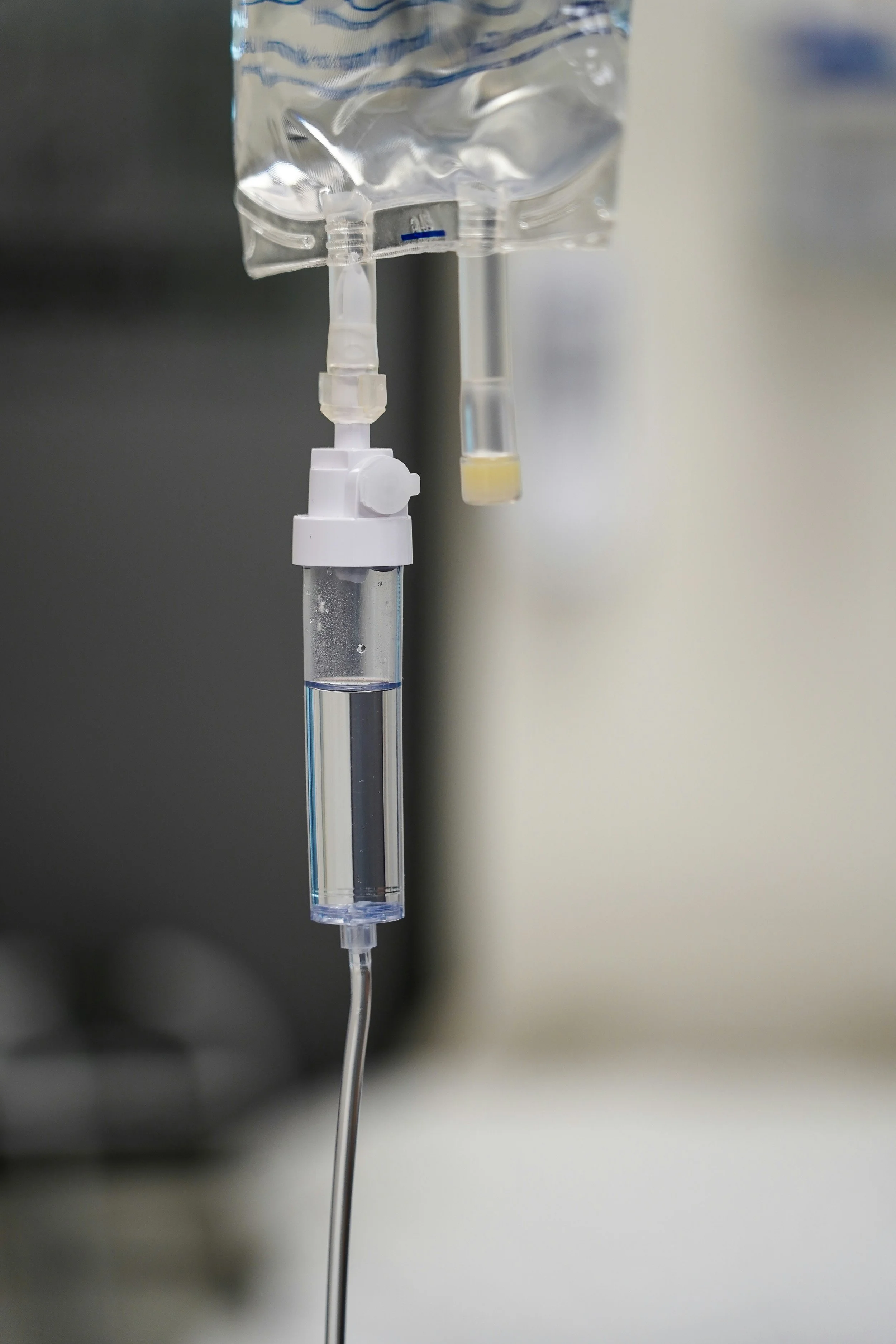
During the session, a small IV catheter is placed in your vein, the drip is started, and you are monitored for discomfort, dizziness, changes in blood pressure, or signs of reaction. Infusions typically take 30–60 minutes, and you will be observed briefly afterward before leaving.
Building A Thoughtful “Starter” IV
For general low energy and stress, many clinics use a Myers-type base and then individualize from there. A conservative starter framework (to be customized by a licensed provider) often includes:
Hydration base: 500–1000 mL normal saline or dextrose 5%
B‑complex + B12: mitochondrial support, nervous system function, and methylation; B12 can be added IV or IM (intramuscular) depending on needs.
Magnesium: helpful for muscle tension, stress, sleep, and migraine‑prone patients, but must be dosed cautiously in renal or cardiac disease.
Vitamin C: modest doses in wellness settings for antioxidant and immune support, with higher-dose protocols reserved for specific indications and proper monitoring.
From there, clinicians may layer in targeted add‑ons such as glutathione for oxidative stress or skin support, zinc for immune health, or specialized IVs like iron or NAD under specific protocols.
How To Choose A Qualified Provider
Choosing the right clinic is one of the most important safety decisions. At a minimum, look for:
Seek medical-led spots with on-site naturopathic doctors, medical doctors, nurses, or NPs—not just estheticians—using USP-grade ingredients and clear dosing labels. Red flags: pressure sales, no screening, vague formulas, or claims curing chronic disease.
Clear informed consent describing benefits, limitations, off‑label nature, and possible complications, plus transparent documentation of ingredients and doses in every bag.
A thoughtful provider will integrate IVs into a broader care plan rather than present them as a cure‑all.
If you are ready to learn if IV nutrient therapy might be right for you, give us a call at 250-475-1522 ext. 2 and request a consultation or book a free consult here.
