
Prolotherapy has been gaining attention in recent years as a treatment option for chronic musculoskeletal pain and joint instability. It is a regenerative injection therapy that stimulates healing by triggering the body’s inflammatory and repair processes. Understanding how prolotherapy works, which conditions it treats best, who makes a good candidate, and potential risks can help clarify its role in pain management.
How Does Prolotherapy Work?
Prolotherapy involves injecting an irritant solution, most commonly dextrose and an anesthetic, into damaged ligaments, tendons, or joints. Unlike other therapies that directly supply growth factors (like PRP), prolotherapy’s mechanism lies in causing a controlled, mild inflammatory reaction. This inflammatory stimulus recruits immune cells releasing cytokines and growth factors like platelet-derived growth factor and transforming growth factor-beta. These signals promote fibroblast proliferation and new collagen formation, leading to stronger, more stable connective tissue. This tissue remodeling ultimately improves joint stability and reduces pain.
Indications Best Treated With Prolotherapy
Clinical studies show prolotherapy reduces pain and improves function, particularly in patients who have not responded to other conservative treatments. It has reasonable evidence for use in ligament or tendon injuries but remains under continuing investigation for wider applications.
Chronic tendon pain or tendinopathy, especially where other treatments have failed
Ligamentous laxity, joint instability, or painful ligament sprains and strains
Knee osteoarthritis with chronic pain (mild to moderate cases are most commonly studied)
Chronic low back pain, including sacroiliac joint dysfunction and instability
Shoulder instability or rotator cuff tendinosis
Epicondylitis (tennis elbow/golfer’s elbow) and similar enthesopathies
Plantar fasciitis
Chronic joint pain in fingers, elbows, ankles, or hips related to osteoarthritis or instability
Pain and dysfunction after sprains or repeated minor trauma where healing is incomplete
Who Are Good Candidates?
Good candidates are people with persistent musculoskeletal pain or joint instability that has not improved after physical therapy and other treatments. Patients should not have active infections, bleeding disorders, or allergies to anesthetics. Caution is also taken with those who have diabetes.
People looking to avoid surgery and willing to undergo multiple injection sessions spaced over weeks often benefit most.
How to Prepare for the Injection
I ask all patients to stop taking all NSAIDs (Advil, ibuprofen, etc.) and high-dose aspirin, unless medically necessary. These agents can blunt the effect of the immune system, which we want firing at full force.
What to Expect During the Procedure
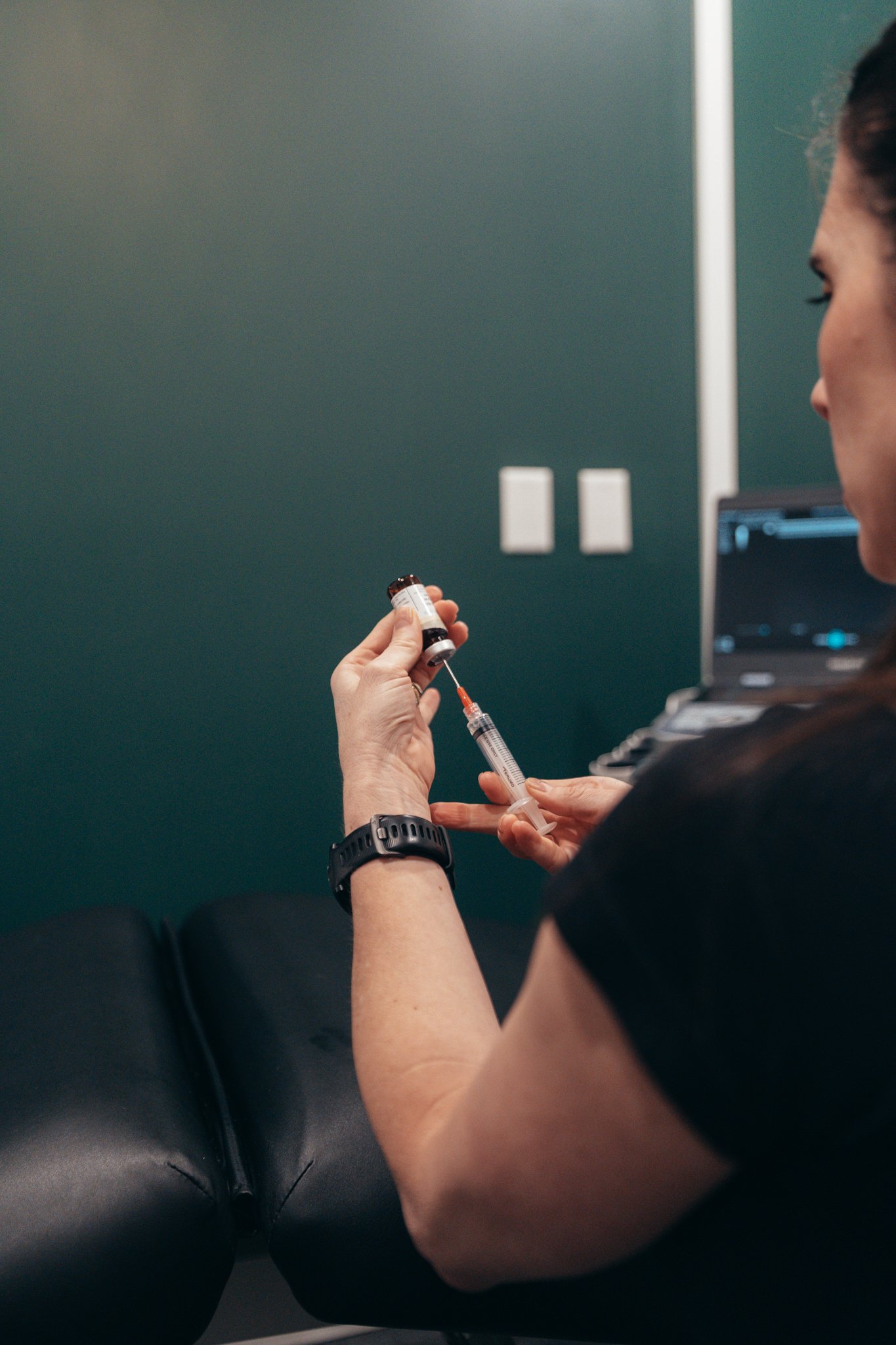
A general assessment, including your vitals, will be performed. Your prolotherapy will be prepared according to the percentage discussed during your initial assessment. (The percentage generally varies from 15% to 25% and can affect how great a flare response an individual may experience- more below.)
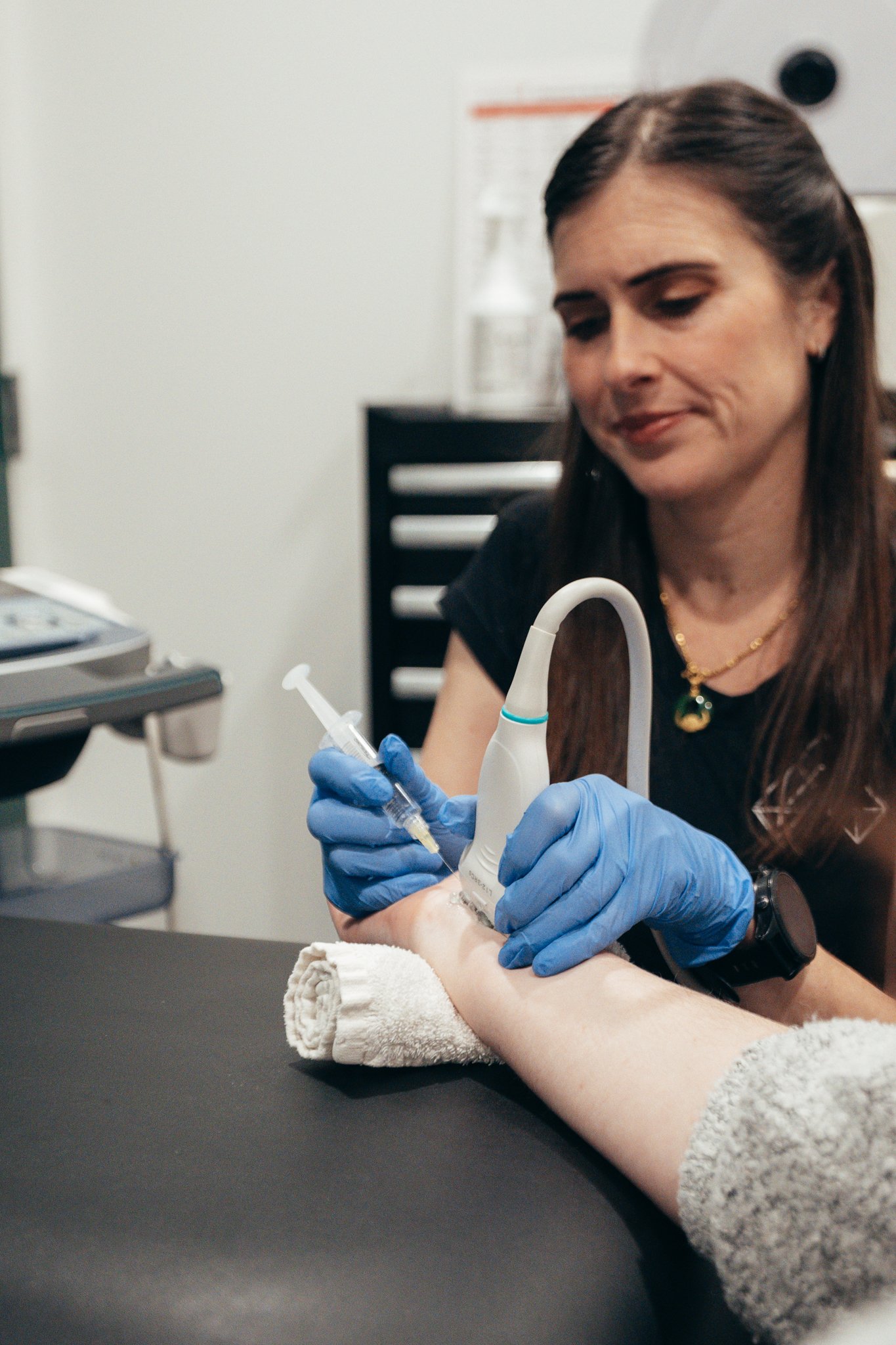
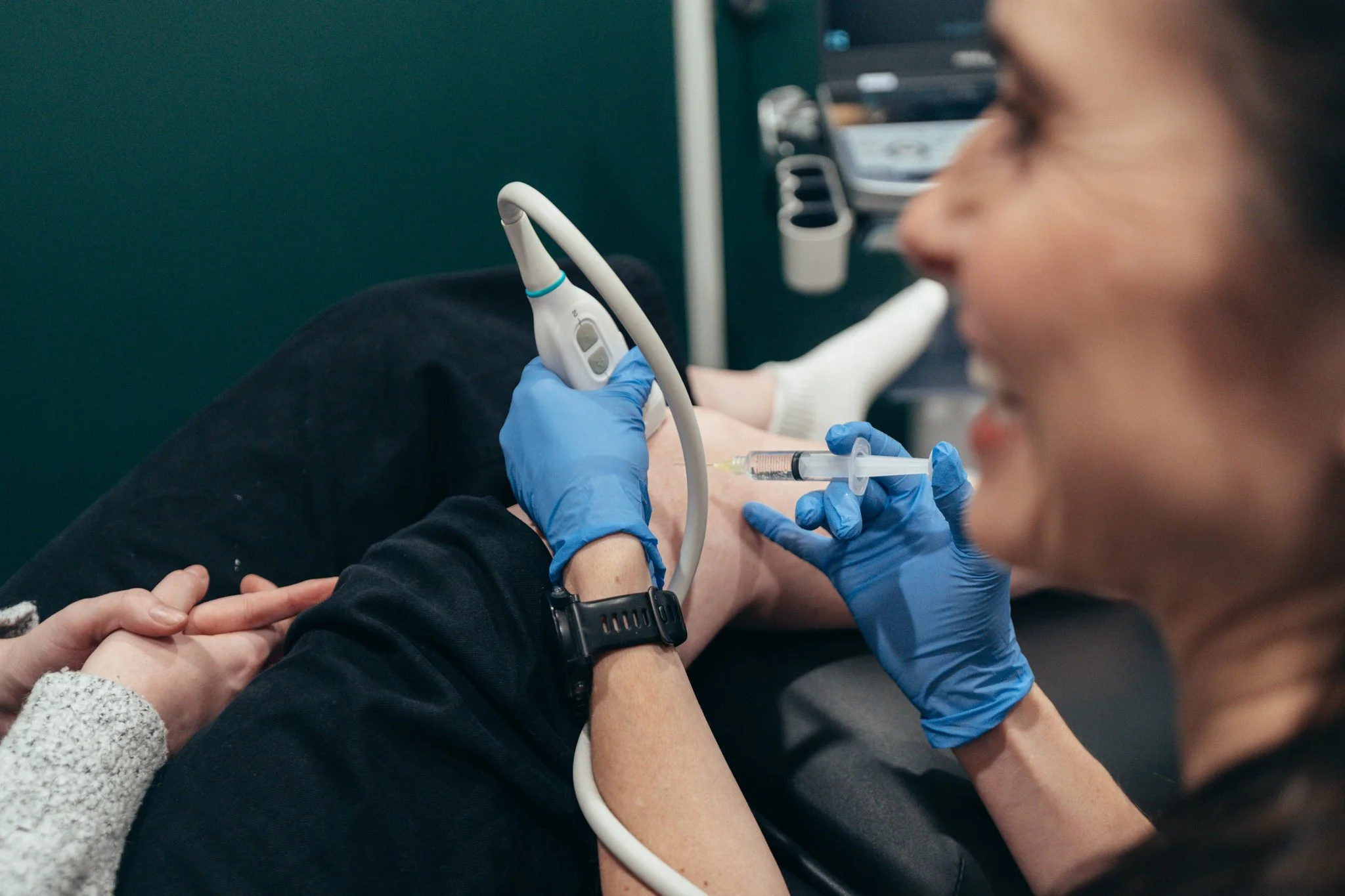
The injection will be performed under ultrasound guidance, and the injection is generally well-tolerated and not uncomfortable. We will discuss this at length before the procedure.
Most people choose to drive themselves home after the procedure, but if you are sensitive to needles or have any concerns, having a ride planned is always a good idea. Most people can also return to their daily activities immediately after the procedure.
Potential Risks
Prolotherapy is generally considered safe but has risks similar to any injection procedure — pain and swelling at the injection site, minor bruising, and occasional infection.
Serious complications are rare, but patients should seek care promptly if they experience severe pain, signs of infection, or allergic reactions.
What to Expect After the Procedure and the Flare Response
Because it stimulates inflammation, temporarily increased pain or stiffness is common but usually resolves within days. This is known as the “flare response” and can vary between people. Usually, it’s a new ache or pain near the treated site, but it’s generally different from the pain being treated. Some people experience this for 1-3 days, and on rare occasions, for longer. We will discuss this at length before your procedure.
You are advised not to take NSAIDs at least 5 days after treatment, but can take Tylenol, if needed. Most people do well with applying heat to the area to reduce pain.
You should take it easy for a few days after the injection but can start full range of motion activity within the first week. A plan to return to activity and exercise will be devised with your physiotherapist to maximize the benefits of prolotherapy.
A Final Recap!
Prolotherapy is a regenerative injection therapy that uses controlled inflammation to stimulate connective tissue healing. It’s most effective for chronic pain and instability related to ligament, tendon, or joint damage. With a good safety profile and growing clinical support, it presents an option for patients seeking non-surgical treatments for difficult musculoskeletal conditions. As with any therapy, you must discuss your potential risks and benefits with your medical provider.
While research is ongoing to better define protocols and expand indications, prolotherapy could be an option to consider to harness your body’s own healing capabilities for musculoskeletal pain.
Dr. Lorna is performing a prolotherapy injection of the right ankle joint.